Strategic Uses of Square Mesh Grids for Design and Planning Excellence
Understanding Square Mesh Grids: A Foundation for Structured Creativity
Square Mesh Grids offer a clean, geometric framework that supports both visual design and strategic planning. These grids consist of intersecting horizontal and vertical lines that form uniform squares, creating a sense of order and balance. Whether used in digital design or physical layouts, the Square Mesh Grid provides a versatile foundation for organizing content with precision and clarity.
At their core, Square Mesh Grids are more than just background elements—they are tools for structure. When applied thoughtfully, they help align visual components, streamline workflows, and enhance readability. This makes them especially valuable in branding, web design, editorial layouts, and data visualization where consistency and clarity are essential.
Why Square Mesh Grids Matter for Strategic Design
In today’s fast-paced creative and business environments, having a reliable structural system can make the difference between a chaotic layout and a polished, professional design. Square Mesh Grids provide that structure, allowing designers and strategists to work more efficiently and communicate ideas with greater impact.
Strategically, these grids help maintain consistency across multiple platforms and formats. Whether designing a website, planning a marketing campaign, or organizing a presentation, a well-implemented grid system ensures that all visual elements align cohesively. This consistency supports brand recognition, improves user experience, and reduces the time needed for layout adjustments.
Practical Applications of Square Mesh Grids in Creative and Business Contexts
From web design to print media, Square Mesh Grids offer a wide range of applications. Here are several practical ways professionals can integrate them into their work:
- Web and UI Design: Use grids to create responsive layouts that adapt to different screen sizes while maintaining visual harmony.
- Graphic Design: Apply grids as background elements in posters, social media posts, and story covers for a modern, minimalistic aesthetic.
- Presentation Design: Organize slides with a structured layout to enhance readability and guide audience attention effectively.
- Editorial Design: Ensure consistent page layouts in magazines, reports, and brochures by aligning text and images to a grid system.
- Data Visualization: Present charts, graphs, and infographics with precision using a grid-based framework for clarity and accuracy.
Each of these use cases benefits from the inherent structure and visual balance that Square Mesh Grids provide. When applied with intention, they support both aesthetic appeal and functional effectiveness.
Planning with Precision: How to Approach Square Mesh Grids Strategically
Using Square Mesh Grids effectively requires more than just placing them in the background of a design. It involves strategic planning and a clear understanding of how grids support your objectives. Here’s how to approach them with intention:
- Define Your Purpose: Determine what you want to achieve—whether it’s visual consistency, improved readability, or a modern aesthetic.
- Choose the Right Grid Type: Decide between flat, abstract, or 3D illusion grids based on the tone and context of your project.
- Align with Brand Identity: Ensure that the grid complements your brand’s color scheme, typography, and overall design language.
- Test Across Platforms: Verify how the grid performs on different devices and print formats to maintain quality and clarity.
- Balance Structure with Creativity: Use the grid as a guide, not a constraint. Allow room for creative expression within the framework.
By taking these steps, you can ensure that your use of Square Mesh Grids supports your goals rather than simply serving as a decorative element.
Maximizing Long-Term Value with Square Mesh Grids
One of the most compelling advantages of Square Mesh Grids is their adaptability over time. Unlike trend-driven design elements that may quickly become outdated, grids offer a timeless structure that remains relevant across evolving projects. This makes them particularly valuable for long-term branding, content planning, and digital asset management.
For businesses and creators looking to maintain a consistent visual identity, Square Mesh Grids can be integrated into design systems and style guides. This ensures that all team members and collaborators follow a unified approach, reducing inconsistencies and streamlining production workflows.
Additionally, because grids provide a scalable framework, they allow for easy updates and revisions. Whether you’re refreshing a website or updating a presentation, the grid ensures that changes maintain visual harmony and structural integrity.
Common Pitfalls to Avoid When Using Square Mesh Grids
Despite their many benefits, Square Mesh Grids can become counterproductive if used without clear intent. Here are some common mistakes to avoid:
- Overcomplicating Layouts: Using grids that are too dense or complex can distract from the main content rather than enhance it.
- Misalignment with Brand Tone: Choosing a grid that doesn’t match your brand’s personality can create visual dissonance.
- Ignoring Context: Applying grids inappropriately—such as in casual social media posts where a more organic layout is better—can feel forced.
- Underutilizing Flexibility: Treating grids as rigid templates rather than adaptable frameworks can limit creativity.
To avoid these issues, always approach Square Mesh Grids with a strategic mindset. Consider how they support your message, audience, and platform before implementation.
Choosing the Right Square Mesh Grids for Your Needs
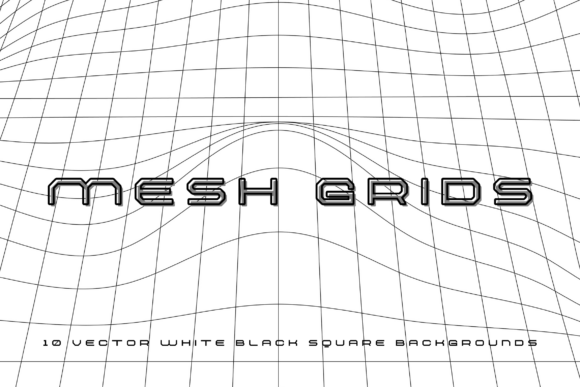
The Abstract Vector Square Mesh Grids Backgrounds Set offers a curated collection of high-quality grid designs suitable for a variety of applications. With 10 SVG, AI EPS 10, PNG, and JPG files, this set provides flexibility across digital and print formats.
Each design in the set is crafted with clean lines and geometric precision, offering both minimalistic and futuristic aesthetics. Whether you’re designing a website gallery, a presentation slide, or a print poster, these grids provide a structured yet stylish foundation.
When selecting a grid from the set, consider the following factors:
- Visual Complexity: Choose a simpler grid for clean, minimal designs or a more intricate one for dynamic, layered compositions.
- File Format: Use SVG or AI files for scalable vector graphics ideal for logos and illustrations, and PNG files for transparent backgrounds in digital use.
- Contextual Fit: Match the grid’s perspective and style to the overall design direction—flat for modern minimalism, 3D for depth and dimension.
Conclusion: Using Square Mesh Grids with Purpose
Square Mesh Grids are more than just background textures—they are strategic tools that support clarity, consistency, and creativity in design. Whether you're building a brand identity, crafting a digital experience, or organizing complex information, these grids provide a reliable structure that enhances both aesthetics and functionality.
By understanding how and when to use them, you can elevate your design process and achieve more professional, cohesive results. The key is to approach Square Mesh Grids with intention, aligning them with your goals rather than applying them as generic design elements.
Ultimately, the power of Square Mesh Grids lies in their ability to bring order to complexity. When used thoughtfully, they help you communicate more effectively, design more efficiently, and build stronger visual narratives—supporting both short-term execution and long-term strategic success.