15 Metal Grunge Background Textures: A Rugged Design Resource for Bold Visual Projects
Understanding the Appeal of Industrial Aesthetics in Design
Industrial and grunge-inspired visuals have carved a distinct niche in modern design, particularly among creatives looking to convey strength, authenticity, and a touch of rebellion. The 15 Metal Grunge Background Textures pack caters directly to this aesthetic, offering a curated set of high-resolution textures that replicate the look of aged metal, rusted surfaces, and distressed environments. These textures are not just decorative elements—they serve as foundational components that can define the mood and tone of a project.
What Makes 15 Metal Grunge Background Textures Unique?
This collection stands out due to its focus on raw, tactile materials rendered with high fidelity. Each background is captured or digitally created to mimic real-world surfaces like oxidized steel, corroded panels, and scratched metal. The pack includes:
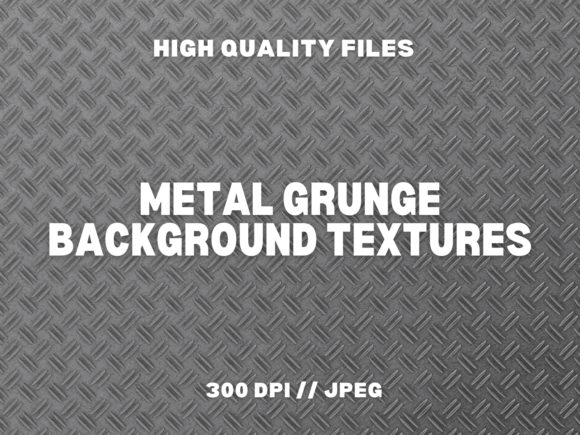
- 15 JPG textures at 3000 x 2000 pixels or higher resolution
- 300 DPI quality for both print and digital use
- Textures featuring rust, scratches, corrosion, and other grunge effects
- Immediate digital access after purchase
Unlike generic texture packs that may include a mix of fabric, paper, or abstract effects, this set maintains a consistent theme—industrial grit. This focused approach makes it especially useful for projects where a cohesive visual tone is crucial.
Comparing Texture Options: When to Choose Metal Grunge
Designers have access to a wide variety of background textures, from vintage paper scans to abstract digital overlays. Each has its own strengths and ideal applications. For example:
- Vintage paper textures work well for rustic, handcrafted, or nostalgic themes
- Abstract digital overlays offer flexibility and can be used across multiple genres
- Metal grunge textures deliver a specific industrial or post-apocalyptic aesthetic
The 15 Metal Grunge Background Textures pack excels when the goal is to evoke a sense of durability, decay, or mechanical strength. It’s particularly effective for projects like:
- Heavy metal album art
- Cyberpunk-themed web and app interfaces
- Industrial product mockups
- Gaming graphics and UI design
- Print materials for brands with an edgy identity
Strengths and Limitations of the Texture Pack
Like any design resource, this pack has specific advantages and drawbacks depending on how it’s used. Understanding these can help determine whether it's the right choice for a particular project.
Key Strengths
- High-resolution output: At 3000 x 2000 pixels and 300 DPI, these textures maintain clarity across both digital and print formats
- Thematic consistency: All textures revolve around metal and grunge, making them ideal for cohesive design systems
- Immediate usability: No need for additional editing or layering—textures are ready to apply directly
- Commercial licensing: Can be used in both personal and commercial design work
Potential Limitations
- Niche appeal: May not be suitable for softer, more organic, or minimalist design styles
- Format constraints: Only available in JPG format, which lacks the layering flexibility of PSD or PNG files
- Texture variety: While the pack offers 15 options, users seeking broader stylistic variation may need to supplement with other resources
Real-World Use Cases and Practical Comparisons
Consider a designer working on a music festival poster for a heavy metal lineup. In this scenario, the 15 Metal Grunge Background Textures pack would be a strong contender. The industrial feel of the textures would complement the genre’s aesthetic better than a pack of floral or watercolor backgrounds.
In contrast, a designer working on a wellness brand’s website might find that these textures clash with the intended message of calm and balance. In such cases, lighter, more organic textures would be a better fit.
Another example is in apparel design. A clothing brand aiming for a steampunk or dystopian look could use these textures as base layers for print mockups. However, for a casual streetwear brand, a more abstract or urban-themed texture set might offer greater versatility.
How Does It Compare to Alternative Texture Packs?
There are many texture packs available in the design marketplace, each with its own focus and feature set. Some offer broader collections with hundreds of textures across multiple categories, while others, like this one, specialize in a specific style.
Broader packs provide more variety, which can be useful for designers who work across different genres. However, they often include textures that are only marginally relevant to any single project. The 15 Metal Grunge Background Textures pack avoids this issue by focusing exclusively on metal and grunge elements, ensuring that every texture in the set serves a clear purpose.
Additionally, some premium texture packs come with layered files, alpha channels, or compatibility with specific design software. While this pack doesn’t offer those advanced features, it compensates with ease of use and high-quality output in a widely supported format.
Decision Factors: When This Pack Is the Right Choice
Choosing the right texture pack depends on several factors. The 15 Metal Grunge Background Textures pack is likely the best fit when:
- The project requires a strong industrial or edgy aesthetic
- Designers need high-quality, immediately usable backgrounds
- There’s a preference for focused, thematic texture sets over general-purpose collections
- Commercial use is part of the project scope
Conversely, if the project calls for a softer tone, diverse texture types, or advanced editing capabilities, it may be worth exploring other options.
Final Thoughts: Balancing Style, Quality, and Practicality
The 15 Metal Grunge Background Textures pack offers a compelling combination of quality and thematic focus. It’s a valuable resource for designers working in genres that benefit from a rugged, industrial look. While it may not be the most versatile option on the market, its consistency and clarity make it a strong choice for specific applications.
As with any design tool or resource, the key is to match the texture pack to the project’s visual goals and practical requirements. By understanding what this pack offers—and where it may fall short—designers can make informed decisions that enhance their creative output without unnecessary compromises.