Game Pixel Icons: Bridging Retro Aesthetics with Modern Design Needs
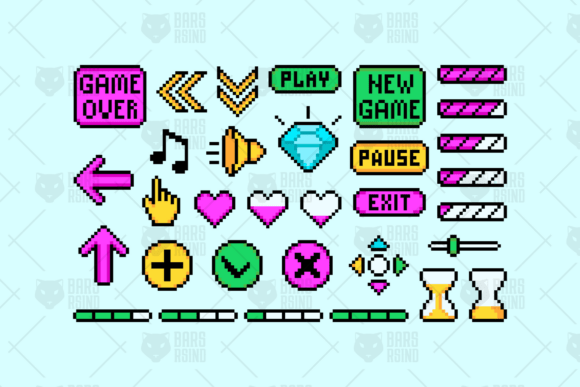
In today's fast-paced digital landscape, visual elements play a critical role in capturing attention and enhancing user experience. Among the many design tools gaining traction are Game Pixel Icons — a collection of 30 pixel art icons inspired by retro 8-bit gaming. These icons combine vibrant colors with minimalistic pixel details to evoke a sense of nostalgia while serving modern design requirements.
The Resurgence of Nostalgic Design
The growing popularity of retro aesthetics in digital design is not accidental. As audiences mature and digital platforms become more saturated, designers are increasingly turning to familiar, emotionally resonant styles to stand out. The Game Pixel Icons Set taps into this trend by offering a charming, retro-inspired toolkit that feels both timeless and relevant.
From indie game developers to UI/UX designers and content creators, professionals across industries are incorporating pixel art into their work. Whether it's for mobile game interfaces, social media graphics, or website navigation buttons, these icons offer a versatile and visually appealing solution that bridges the gap between past and present design sensibilities.
Practical Applications for Diverse Users
What makes Game Pixel Icons particularly valuable is their adaptability across different mediums and use cases. The set includes 30 SVG, PNG, and JPG files, along with AI and EPS formats, making them compatible with a wide range of design software and platforms. This flexibility allows creators to integrate them into both digital and print projects seamlessly.
- Game developers can use these icons for in-game menus, control buttons, and level indicators.
- Web designers may incorporate them into UI components, enhancing the visual appeal of websites and landing pages.
- Marketers and bloggers can leverage these assets in social media posts, course covers, or promotional banners to add a playful, nostalgic touch.
For educators and e-learning professionals, these icons can also serve as engaging visual cues in course materials or interactive modules, helping to simplify complex information and improve retention.
Why Retro Design Works in Modern Contexts
The appeal of retro design lies in its simplicity and emotional resonance. Pixel art, in particular, carries a strong association with early video games — a cultural touchstone for many. This emotional connection makes it a powerful tool for branding, storytelling, and user engagement. When users encounter a design that subtly evokes childhood memories, they are more likely to feel a sense of familiarity and trust.
Moreover, the minimalist nature of pixel art aligns well with current design trends favoring clean, uncluttered visuals. As attention spans shorten and mobile browsing becomes the norm, icons that are instantly recognizable and easy to interpret offer a practical advantage.
Meeting the Needs of Today’s Creative Professionals
Today’s designers and creators work within fast-moving, often resource-constrained environments. They need tools that are not only visually compelling but also efficient to use. The Game Pixel Icons Set addresses these needs by providing high-quality, ready-to-use assets that reduce the time and effort required to develop custom graphics from scratch.
With transparent background PNG files, scalable SVG options, and compatibility across design platforms, these icons offer a plug-and-play solution that fits into modern workflows. This accessibility is especially valuable for freelancers, small business owners, and independent creators who may not have the budget or bandwidth to commission custom illustrations.
Designing for Versatility and Scalability
One of the standout features of this icon set is its scalability. Whether used in a high-resolution poster or a small mobile app button, the crisp lines and bold colors of the pixel art remain effective and visually consistent. This ensures that designers can maintain visual integrity across different formats and screen sizes — a crucial consideration in responsive web and app design.
Additionally, the variety of included icons — from directional arrows to control buttons and status indicators — allows for cohesive design systems. By using a unified visual language across different parts of a project, designers can enhance usability and reduce cognitive load for users.
Looking Ahead: The Future of Pixel Art in Design
As technology continues to evolve, the demand for visually distinctive and emotionally engaging design elements is only expected to grow. Pixel art, once confined to the realm of gaming, is now a recognized and respected design style in its own right. Its continued presence in branding, UI design, and digital illustration suggests that the appeal of Game Pixel Icons is more than just a passing trend.
For creators, staying ahead means embracing tools and styles that resonate with contemporary audiences while offering functional benefits. The Game Pixel Icons Set exemplifies this balance — it’s not just about looking retro, but about delivering a design solution that works efficiently across platforms and contexts.