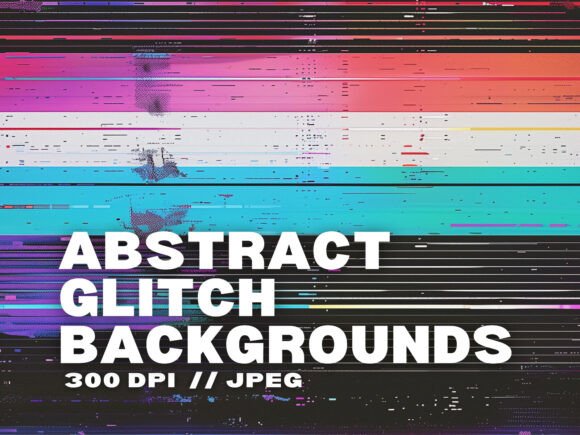
15 Abstract Glitch Backgrounds: A Designer’s Tool for Modern Digital Aesthetics
Whether you're designing a social media post, a website header, or a digital art piece, visuals play a critical role in capturing attention. One way to elevate your creative output is by using 15 Abstract Glitch Backgrounds—a set of high-resolution textures that bring a dynamic, futuristic edge to your work. These glitch backgrounds are more than just digital noise; they're a stylistic choice that can define the tone and personality of your project.
What Exactly Are Abstract Glitch Backgrounds?
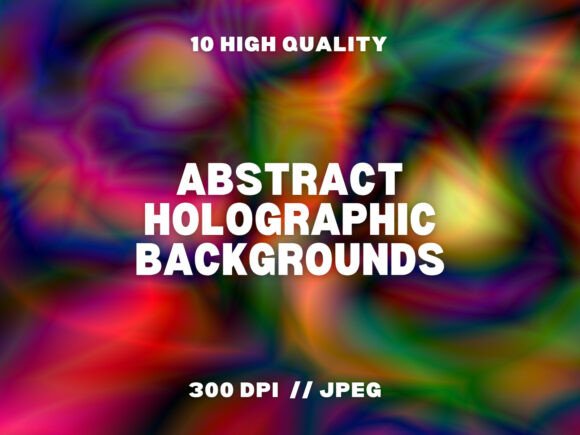
The 15 Abstract Glitch Backgrounds pack includes a curated selection of 300 DPI JPG files, each featuring digital static distortions, pixelated textures, and vibrant color shifts. Inspired by cyberpunk visuals, vaporwave themes, and retro digital effects, these backgrounds are designed to add a modern, experimental feel to any design. They’re compatible with popular tools like Photoshop, Canva, and Procreate, making them accessible to both seasoned designers and casual creators.
Why Use Glitch Backgrounds in Your Projects?
Visual trends come and go, but glitch aesthetics have remained relevant due to their versatility and ability to convey a sense of innovation. Whether you're creating a tech-themed poster or spicing up a YouTube thumbnail, these backgrounds offer a unique visual layer that stands out. They work especially well when you want to evoke a sense of digital disruption, nostalgia, or futuristic design.
Real-World Uses for Glitch Backgrounds
- Social Media Graphics: If you're managing Instagram stories, TikTok intros, or YouTube banners, a glitch background can make your content pop. The abstract nature of these textures draws attention without overpowering your message.
- Website Design: Headers and landing page sections often need a visual hook. Using a glitch texture can give your website a fresh, contemporary look—especially for tech startups, digital artists, or creative agencies.
- Print Media: These backgrounds aren’t just for digital use. They can be applied to posters, album covers, and event flyers to create a bold, unconventional aesthetic that appeals to younger audiences.
- Branding and Marketing: For brands aiming to project a futuristic or edgy image, glitch textures can be subtly integrated into business cards, ad campaigns, or packaging design to reinforce a modern identity.
- Digital Art and NFTs: Artists exploring cyberpunk themes or digital surrealism can use these backgrounds as base layers or overlays in their compositions, especially in NFT artwork where visual uniqueness is key.
Who Benefits Most from Using These Backgrounds?
Anyone working with visual media can find value in the 15 Abstract Glitch Backgrounds, but certain users will get the most out of them:
- Content Creators: YouTubers, streamers, and TikTok creators can use these textures to design thumbnails, banners, and overlays that stand out in crowded feeds.
- Graphic Designers: Whether working on client projects or personal portfolios, these backgrounds offer a modern twist that can enhance visual storytelling.
- Marketers: Digital campaigns targeting younger audiences—especially in tech, gaming, or music—can benefit from the energetic and bold look these textures provide.
- Artists and Illustrators: Those exploring digital art, collage, or mixed media can integrate glitch effects to add depth and complexity to their work.
- Small Business Owners: Entrepreneurs looking to build a distinctive brand presence can incorporate glitch textures into logos, social media posts, or promotional materials.
How to Choose and Apply Glitch Backgrounds Effectively
Using glitch textures isn’t just about slapping a background onto your design. Here are some practical tips to get the most out of the 15 Abstract Glitch Backgrounds:
- Match the Tone: Not every glitch texture works for every project. Some are more subdued with muted colors, while others are vibrant and chaotic. Pick one that aligns with your message.
- Layer Thoughtfully: Don’t let the background overpower your content. Use blending modes in your design software to overlay the glitch effect without losing readability.
- Test for Readability: Especially in marketing or web design, ensure that any text placed over the background remains legible. You may need to add a semi-transparent overlay or adjust contrast.
- Use in Print with Caution: Glitch textures look great on screen, but printing them requires attention to resolution and color accuracy. Always preview print proofs before production.
- Stay Consistent: If you're using glitch effects across multiple assets (like social media and website banners), aim for a cohesive style to maintain brand recognition.
When Not to Use Glitch Backgrounds
While glitch aesthetics can be striking, they’re not always appropriate. Avoid using these textures in situations where clarity and professionalism are key—like formal reports, legal documents, or corporate presentations. They also may not be the best fit for audiences unfamiliar with digital art trends or for brands that want to maintain a minimalist or traditional look.
Final Thoughts: A Smart Addition to Your Design Toolkit
The 15 Abstract Glitch Backgrounds offer more than just visual flair—they provide a way to communicate modernity, creativity, and digital fluency. Whether you're a digital artist, a content creator, or a marketer, these textures can help you stand out in a visually saturated world. With instant download and compatibility across platforms, they’re a convenient and versatile tool for anyone looking to enhance their visual output.
By understanding where and how to apply them effectively, you can transform your designs from ordinary to memorable. So if you're looking to upgrade your creative toolkit with a touch of digital rebellion, this glitch background collection is worth exploring.